Essential Tips for Buying Property in Tasmania

1. No cooling-off periods – so get a good solicitor
Unlike most other states, Tasmania doesn’t have a standard cooling-off period when you buy property. Once you sign, it’s legally binding – unless you’ve added specific conditions in advance (like finance approval or building inspection clauses). The takeaway? Don’t sign anything without first speaking to a Tasmanian conveyancer or solicitor. A good one will help make sure your contract protects you if anything goes wrong – and there’s no second chance if you skip this step.

2. Live auctions are relatively rare
Most Tassie properties are sold via private treaty, not auction. That can be a relief if bidding wars aren’t your thing – but it doesn’t always mean the process is relaxed. Good properties can still sell quickly, often after the first open home. Some agents will hint at “other interest” to nudge you into a quick offer. Do your research, know your limits and ask for a contract early if you’re serious about a place.

3. Consider using a buyer’s agent
If you’re buying from interstate or just feeling overwhelmed, a local buyer’s agent can be a huge help. They know the zoning lingo, can attend inspections on your behalf and may even hear about listings before they hit the market. Some will negotiate for you, too. It’s an upfront cost, but could save you from a costly mistake – especially in regional areas where properties vary wildly in condition and value.

4. Meet your neighbours – if you can
If you’re serious about a property, it’s worth knocking on the doors of the immediate neighbours. Ask what the area’s like in winter, how often the road floods, what the mobile reception is like – or if there’s anything they wish they’d known before moving in. You’ll learn more from that five-minute conversation than from any real estate ad. Trust your gut – if something feels off, it probably is.
If you can’t do it yourself, a buyer’s agent or trusted local contact might be able to suss it out for you.

5. Use LIST and LISTmap to research property properly
The Tasmanian Government’s Land Information System Tasmania (LIST) and the associated LISTmap tool are goldmines for buyers. You can look up titles, zoning, planning overlays, road classifications, bushfire-prone areas and more – all online, for free. The interface isn’t the friendliest, but once you get the hang of it, it’s powerful. In the guide, we walk through how to check a property’s zoning and overlays before you even pick up the phone to an agent.

Want more practical advice?
This post is just a taste of what’s inside our full guide – Moving to Tasmania? – which includes 60+ tips like these. From housing to job hunting, timelines to lifestyle quirks, it’s based on our real experience of relocating to Tassie – and what we wish we’d known.
Grab your copy for $6.99!
👉 Download the guide

What’s the Real Cost of Living in Tasmania? (Here’s What Surprised Us)

When we started dreaming about a move to Tasmania, one of the big drawcards was affordability. Housing looked cheaper, the air was cleaner, and the pace of life slower – surely our wallets would thank us too?

Spoiler: it’s not quite that simple.

Here’s what we’ve learned since making the move from NSW to the Huon Valley – and what surprised us most about the real cost of living in Tassie.

Housing: Cheaper, but…

Yes, property prices in Tasmania are lower than in most mainland cities – but don’t be fooled into thinking it’s a budget paradise.

Lower average incomes mean affordability is still a challenge for many locals, and the rental market is tight. We spent our first few months here in a caravan with a newborn, which wasn’t quite the idyllic fresh start we’d imagined.

If you’re buying, expect unique challenges: mould, dodgy builds, sight-unseen sales, and a so-called “mainlander’s tax” (you’ll see what we mean when you get here). The market doesn’t work quite like Sydney or Melbourne – and that’s not always a bad thing.

Groceries & Goods: Hello, Island Tax

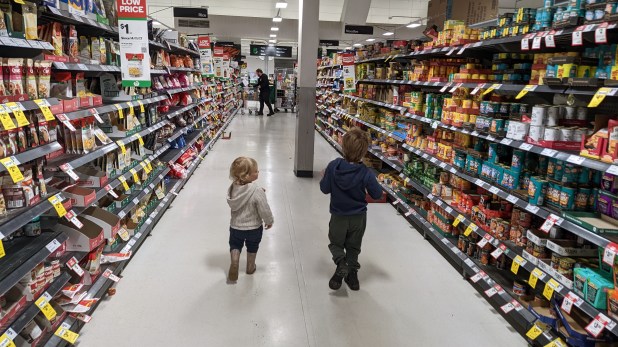
Groceries cost a little more. Freight and fewer supermarket options (no Aldi, sorry) mean higher prices on some basics. The same goes for furniture and large goods – if you’re planning a big move, weigh up what’s worth bringing with you.

Transport: Bring Your Car

Public transport here is… let’s say limited. You’ll almost certainly need a car – and the good news is that Tasmania has the lowest on-road costs in the country.

We go into all the detail in our guide, but here’s a tip: windscreen insurance is worth it.

Utilities & Energy: The Hidden Budget Buster

Heating your home in winter is a real cost consideration. Wood, gas and electricity prices can add up – especially if you’re in a poorly insulated rental (ask us how we know).

Childcare & Education: A Mixed Bag

Public school is free (and we recommend it), but childcare and early learning can be expensive and hard to come by in some regions. Definitely something to research ahead of time if you’ve got young kids.

The Bottom Line?

We’ve found that life in Tasmania can be more affordable – but it depends on how you live, where you settle, and what your expectations are.

There are trade-offs, surprises, and local quirks to understand – and it’s not all roses and rustic charm. But with the right preparation, it can be a financially sustainable and deeply rewarding move.

Want the full breakdown?
Our guidebook, Thinking About Moving to Tasmania?, shares 61 honest, practical tips – from housing and health to culture and climate.
Just $6.99 – Download your copy here

New Moving To Tasmania Guidebook – out now!

We’ve published a guidebook – with everything you need to know about moving to Tasmania

Last year, I wrote a blog post marking our first year in Tasmania – reflecting on the challenges of relocating at the height of the pandemic, heavily pregnant and without a rental lined up. We’ve now been here for more than two years and are still learning the ins and outs of what it means to build a life in a new state, and in this state in particular.

We’ve learnt so much since then not just from our own move to Tasmania, but from helping my mum and stepdad take the same leap – with their own unique considerations and challenges – and from speaking to other Tasmanians, old, new and aspiring.

Those lessons and experiences inspired us to write this guidebook, which compiles our top tips and advice on moving to Tassie.

The book covers:

  • Lifestyle and community
  • Weather and climate
  • Schools and education
  • Hospitals and healthcare
  • Property and housing
  • Logistics of relocating to Tasmania
  • Your car in Tasmania
  • Gardening and growing your own food
  • Getting a job

It’s not meant to be an advertisement for moving to Tasmania, nor a general guide for moving, nor is it aimed at property flippers or investors. This is a guide with advice and insights unique to moving to and living in Tasmania. The goal is to get aspiring Tasmanians asking the right questions and to hopefully save them time, stress and money.

We’re exceedingly grateful to our friends and family who shared their stories to help bring this together, who read and commented on drafts, and to Ashwood Publishing for editing and formatting, and Kat Power for the cover design.

So if you’ve ever thought about moving to Tasmania, or if you know someone who is thinking of taking the leap – please share this with them!

All the retail links are available on the main book page here or you can head straight to Amazon and pre-order a Kindle copy.